
If you’ve received a permit review comment requesting Manual J, S, and D calculations, you’re not alone. This is one of the most common HVAC-related corrections issued by Florida building departments during residential and commercial permit reviews.
While receiving a correction notice can be frustrating, it doesn’t necessarily mean there’s a problem with your project. In many cases, the reviewer simply needs additional documentation to verify that the HVAC system has been properly designed for the building and complies with Florida code requirements.
Manual J, S, and D calculations work together to demonstrate that the heating and cooling system is appropriately sized, energy efficient, and capable of maintaining comfort throughout the building. When these documents are complete and consistent with the construction plans, they can help reduce permit delays and move the review process forward more smoothly.
Understanding what the reviewer is asking for—and how to provide it—can save valuable time and help avoid additional rounds of comments.
Why Did the Permit Reviewer Ask for Manual J, S, and D?
Permit reviewers use Manual J, S, and D calculations to confirm that an HVAC system has been designed correctly for the home or building.
Each document serves a specific purpose:
- Manual J calculates the building’s heating and cooling loads.
- Manual S identifies the equipment that matches those calculated loads.
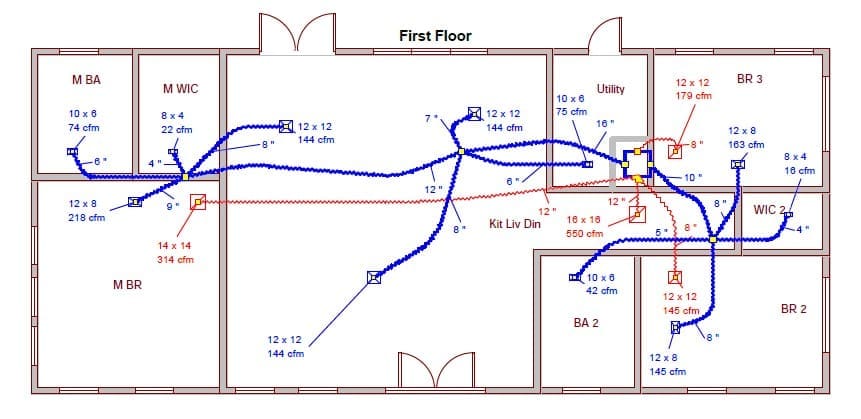
- Manual D designs the duct system that will distribute conditioned air throughout the building.
Together, these calculations help demonstrate that the system will operate efficiently, provide consistent comfort, and meet Florida energy code requirements.
Because Florida experiences long cooling seasons, high humidity levels, and intense summer temperatures, proper HVAC design is especially important. An oversized system may cool a space quickly but struggle to remove humidity. An undersized system may run continuously and still have difficulty maintaining comfortable indoor temperatures.
For that reason, many Florida jurisdictions require clear HVAC design documentation before approving a permit.
Why HVAC Calculations Matter in Florida
Florida’s climate creates unique challenges that make accurate HVAC sizing critical.
Unlike many parts of the country, Florida homes and commercial buildings often battle humidity just as much as temperature. A properly designed system must not only cool the space but also manage moisture levels effectively.
Accurate HVAC calculations help ensure that the system can:
- Maintain comfortable indoor temperatures
- Control humidity levels
- Operate efficiently
- Reduce unnecessary energy costs
- Comply with Florida building and energy codes
Providing complete calculations upfront often helps reviewers verify compliance more quickly and reduces the likelihood of additional correction requests.
What Should Be Included in a Manual J Report?
A Manual J calculation determines how much heating and cooling a building requires based on its design, construction, and location. The report should provide a complete picture of the structure so reviewers can verify that the HVAC system has been sized appropriately.
Building Information
The report should accurately reflect the characteristics of the home or building, including:
- Conditioned square footage
- Ceiling heights
- Insulation values
- Window and door specifications
- Roof and attic construction
- Building orientation
Even small details can affect heating and cooling loads, which is why reviewers often compare the Manual J report against the submitted plans.
Florida Climate Data
The calculation should use design conditions appropriate for the project’s location within Florida.
This includes:
- Outdoor design temperatures
- Humidity levels
- Solar heat gain assumptions
- Local weather data
Florida’s high humidity makes these calculations especially important because the system must control moisture as well as temperature.
Room-by-Room Load Calculations
A complete Manual J should show how heating and cooling loads are distributed throughout the building.
Room-by-room calculations help verify that each space receives the airflow it needs and support the duct design that follows.
Ventilation Requirements
If the project includes mechanical ventilation or outdoor air requirements, those assumptions should be clearly documented within the report.
Providing this information upfront can help eliminate questions during the review process.
Common Reasons Manual J Reports Receive Review Comments
Many HVAC-related corrections stem from incomplete information rather than incorrect calculations.
Some of the most common issues include:
Missing Building Details
Reviewers often request additional information when reports are missing insulation values, window specifications, or other construction details.
Conflicting Information
The Manual J report should match the plans, equipment schedules, and any supporting energy documentation submitted with the permit application.
When information conflicts, reviewers typically request clarification before approving the project.
Missing Load Summaries
Including a clear summary page that highlights total heating and cooling loads makes it easier for reviewers to understand the project and verify the results.
Unclear Design Assumptions
Reports should clearly explain the assumptions used during the calculation process. Reviewers should not have to guess how values were determined.
Understanding Manual S Equipment Selection
Once the building’s heating and cooling loads have been calculated, the next step is selecting equipment that can handle those loads properly.
This is where Manual S comes into play.
Manual S ensures that the proposed HVAC equipment matches the requirements established in the Manual J calculation. Reviewers use this information to confirm that the equipment has not been oversized or undersized for the building.
The Manual S documentation should identify:
- Equipment model numbers
- Heating and cooling capacities
- Manufacturer performance data
- Design operating conditions
Proper equipment selection is essential for comfort, humidity control, energy efficiency, and long-term system performance.
Understanding Manual D Duct Design
While Manual J determines how much heating and cooling is needed and Manual S selects the equipment, Manual D focuses on how conditioned air will be delivered throughout the building.
Think of Manual D as the blueprint for the duct system.
A properly designed duct layout helps ensure that every room receives the correct amount of airflow. Without an effective duct system, even properly sized equipment may struggle to deliver consistent comfort.
What Should a Manual D Submission Include?
A complete Manual D package should clearly show how air will move through the building and support the airflow requirements established by the Manual J calculations.
Duct Layout Drawings
The layout should identify:
- Supply duct locations
- Return duct locations
- Air handler connections
- Major branch runs
The duct design should align with the floor plan and accurately reflect the intended installation.
Duct Sizing Information
Each section of ductwork should be sized to support the airflow requirements for the rooms it serves.
Proper sizing helps improve efficiency, reduce noise, and maintain balanced temperatures throughout the building.
Duct Materials and Insulation
Because ductwork is frequently installed in attics and other unconditioned spaces throughout Florida, material specifications and insulation levels should be clearly documented.
This information helps demonstrate compliance with Florida energy code requirements.
Duct Leakage and Sealing Details
Air leakage can significantly impact HVAC performance and efficiency.
Including information about duct sealing methods, leakage assumptions, and testing procedures can strengthen the submission and help answer common reviewer questions.
Tips for Responding to Review Comments Quickly
If you’ve received a request for Manual J, S, and D documentation, a few simple steps can help move the process along.
Make Sure All Documents Match
Your plans, calculations, equipment selections, and duct designs should all use the same project information.
Consistency helps reviewers verify compliance more efficiently.
Organize Your Submission
Clear documentation makes a strong impression.
Well-labeled reports, concise summaries, and organized supporting documents can reduce confusion and improve review times.
Respond Directly to Reviewer Comments
Address each comment individually and clearly identify where the requested information can be found within the submission package.
This approach often helps eliminate unnecessary back-and-forth communication.
Double-Check Equipment Selections
Before resubmitting, verify that the equipment listed in the Manual S documentation aligns with the loads identified in the Manual J report.
Mismatched equipment selections are a common source of HVAC-related review comments.
Final Thoughts
Receiving a request for Manual J, S, and D calculations is a routine part of many Florida HVAC permit reviews. In most cases, the reviewer simply needs additional documentation to confirm that the system has been designed correctly and complies with applicable code requirements.
By providing complete, accurate, and coordinated documentation, you can help reduce permit delays, minimize additional review comments, and keep your project moving forward.
Whether you’re building a new home, completing a renovation, or managing a commercial project, proper HVAC design documentation plays an important role in achieving a smoother permitting process and a more efficient system for years to come.